
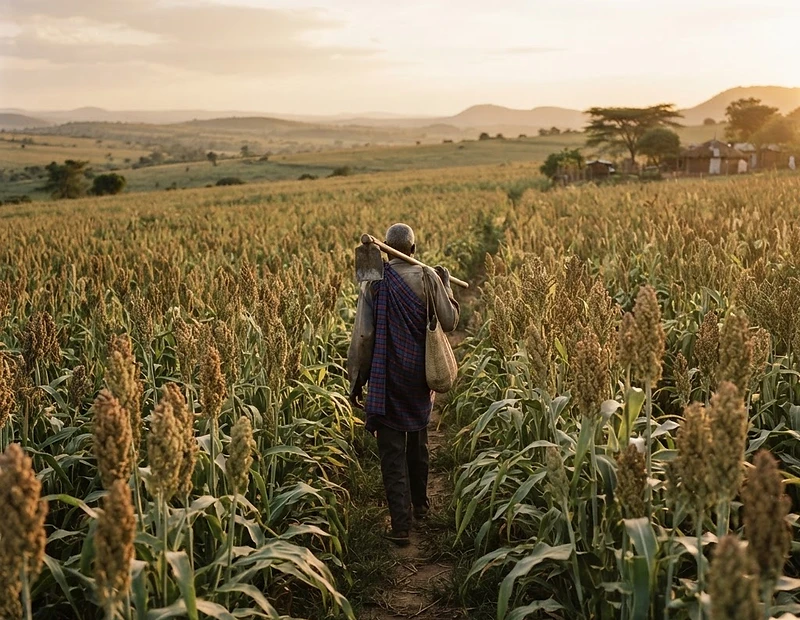
Building scalable agricultural production.
Our initial commercial production focus is white sorghum, cultivated through an organized production model designed for predictable aggregation and institutional supply.
A broader agricultural trading experience.
While Gadam White Sorghum represents an important area of our current commercial growth, our agricultural market experience extends across multiple dry grain commodities.
We have worked with smallholder farmers and market opportunities involving maize, yellow beans, pigeon peas, njahi, soya beans and other dry grain commodities, serving both local and international market linkages.
This broader experience gives GESL a strong foundation for developing structured and scalable agricultural supply chains.
- 01Maize
- 02Yellow Beans
- 03Pigeon Peas
- 04Njahi
- 05Soya Beans
- 06Other Dry Grain Commodities
Building a scalable white sorghum supply chain.
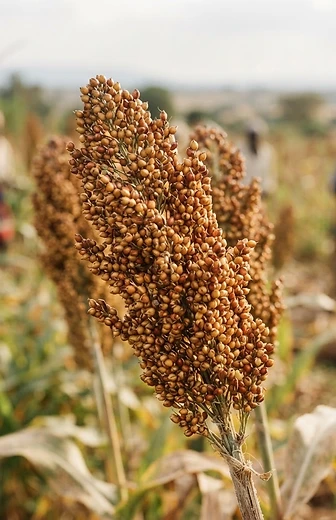
GESL's initial commercial production focus is white sorghum — a fast-maturing, drought-tolerant variety well suited to Kenya's semi-arid production zones and highly valued by brewing and processing buyers.
Production is organized through disciplined farmer clusters under coordinated agronomy, with planting, input delivery and harvest timing aligned to buyer specifications. This structure converts fragmented smallholder output into predictable, aggregated supply.
The result is a production model built for consistent quality, reliable volume and clean institutional delivery — not opportunistic, spot-market supply.

The first commercial cycle, in numbers.
A pathway from launch to full scale.
The launch cycle establishes a proven base. From there, organized production scales toward a full-scale footprint. The middle stage is shown only as a growth pathway, not a formal projection.
A significant agricultural supply opportunity.
At full scale, the GESL production model represents a meaningful, structured supply opportunity for institutional buyers seeking reliable, specification-grade agricultural volume.
Organized production, coordinated agronomy and disciplined aggregation convert smallholder capacity into commercial-scale supply — with the consistency, quality and timing that breweries and processors require.
Specific commercial terms, including pricing, are confirmed directly with GESL under partnership and offtake arrangements.
Seven steps from production to institutional supply.
Coordinated planting across organized farmer clusters.
Timed, synchronized harvest to preserve quality.
Drying to buyer-specified moisture thresholds.
Cleaning and sorting to institutional grade.
Bulking into commercial-scale lots.
Reliable movement to the institutional buyer.
Delivery against binding offtake contracts.
Coordinated planting across organized farmer clusters.
Timed, synchronized harvest to preserve quality.
Drying to buyer-specified moisture thresholds.
Cleaning and sorting to institutional grade.
Bulking into commercial-scale lots.
Reliable movement to the institutional buyer.
Delivery against binding offtake contracts.

Discuss agricultural partnerships.
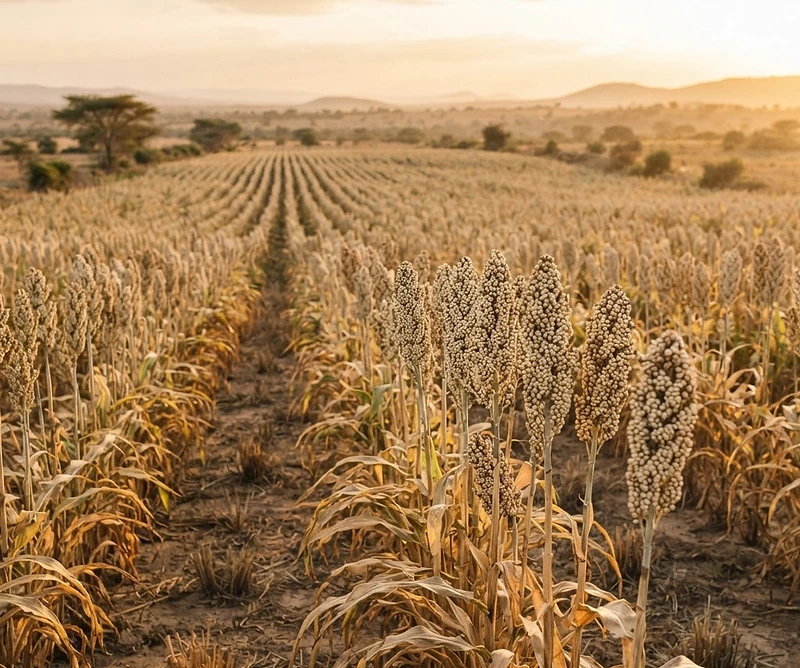
Explore offtake, production and supply partnerships with Galaxy Environmental Solutions Limited around white sorghum — a very high-yielding crop — and the broader GESL value chain. We are also active in the maize and soya beans value chains.
Discuss Agricultural Partnerships